Susan McDowell is the pen name of a writer who came to health through research and investigative journalism. Her non-fiction reads the original studies on midlife hormonal change, SIBO, high-need babies, red light therapy and microdosing. She is not a physician. Her novels are love stories with something at stake.
At a glance
| Name | Susan McDowell (pen name) |
|---|---|
| Writes | Research-based health and parenting non-fiction; romance and romantic suspense |
| Not | A physician; her books do not replace medical care |
| Languages | English and Spanish |
| Publisher | Thinking School |
Biography: the non-fiction
Susan McDowell is the pen name of a writer who came to health through research and investigative journalism. That work left her with habits she has never lost. She reads the original study, not the headline about it. She traces every claim back to its source, asks who funded the research and who benefits from the conclusion, and pays close attention to what a story leaves out.
She did not set out to write about health. The subject found her through the people around her. Again and again, she met people with plenty of information and very little explanation. A woman in her forties whose sleep, mood, and body had all changed at once, and who had been told it was “just stress.” A man who had quietly lost his energy and assumed that was simply what fifty felt like. Parents awake at three in the morning with a baby who would not settle, scrolling through advice that contradicted itself from one page to the next. None of them needed more headlines. They needed someone to sit with the evidence and make sense of it.
So she began doing for readers what she had done as a researcher. Each book starts with a question and months of reading: clinical studies, review papers, older research that newer articles tend to forget, and the debates among specialists who don’t always agree. Alongside the reading, she listens to people living through the questions she writes about, because research describes averages and her readers live single lives. Only then does she start to write, in language a tired person can follow at the end of a long day.
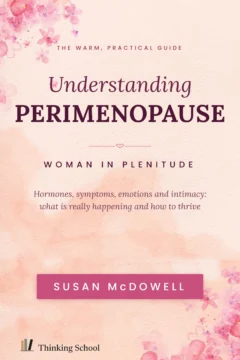
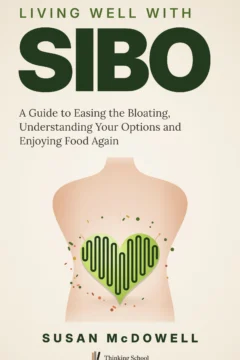
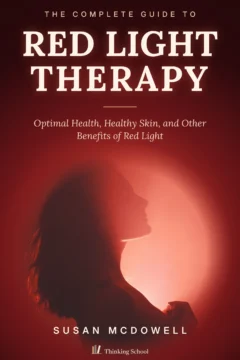
Her books cover hormonal change in midlife, for women in perimenopause and men facing andropause; SIBO, a digestive condition that can take years to identify; high-need babies and a way of parenting that does not rely on fear; and newer, more contested ground such as red light therapy and microdosing. In those newer fields especially, she shows where the research ends and speculation begins.
She is not a physician, and she does not write as one. Her books are not meant to replace medical care. Her role is the one she trained for: asking good questions, reading carefully, and helping readers walk into an appointment better informed.
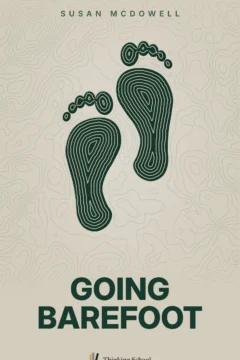
She writes under a pen name because she would rather readers focus on the questions than on her. She does much of her thinking on long walks, barefoot whenever the ground allows, a habit that began as research for Going Barefoot and simply stayed. It reminds her of the idea behind all her work: the body is not a machine to be managed, but something to listen to.
Biography: the novels
Susan McDowell spends most of her working life with facts. Her nonfiction grows out of research and investigative work: reading studies, checking sources, separating what is known from what is merely repeated. Fiction is where she goes to set all of that down.
She calls it decompressing. After months of footnotes and fact-checking, she wants the opposite: people who don't exist yet, towns she can build street by street, and problems she is finally allowed to solve.
Her stories rarely begin at a desk. They begin in the in-between places where strangers talk. A departure lounge after a delayed flight. A platform bench while the train runs twenty minutes late. The seat beside her on a long ride, where small talk drifts somewhere unexpected. Somewhere between "Where are you headed?" and the boarding call, someone says one thing that sticks.
She never uses the conversation itself. The people stay private; their stories are theirs. What she keeps is the nugget: a phrase, a regret, a detail about someone's brother that doesn't quite add up. She writes it down, and later she builds an entire life around it. Every character in her books is invented, but most of them started with a moment of real listening.
That habit of listening is what connects her two kinds of writing. As a researcher, she listens for what is true. As a novelist, she listens for what people want and rarely say out loud.
Her novels are love stories with something at stake. Whatever the genre, she returns to the same questions: what people do when life doesn't go to plan, and what it takes to trust someone again.
She still travels with a notebook in her bag, and she still talks to strangers. She just listens a little more carefully than most people expect.
Health and parenting books




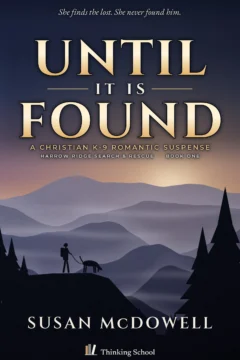
Romance and romantic suspense
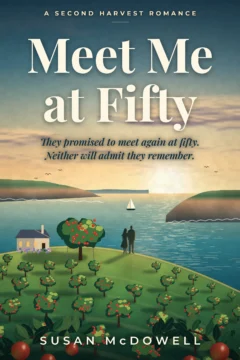


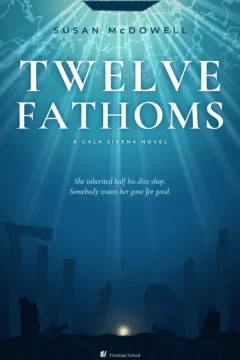
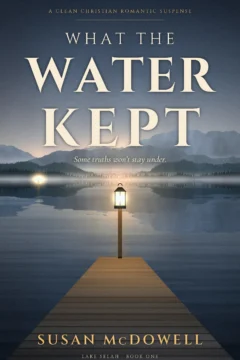
Clean Christian fiction
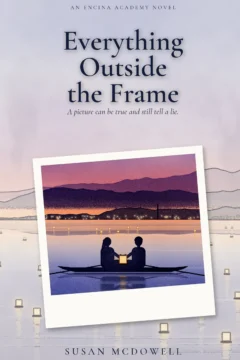
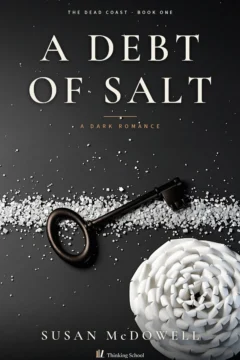
Dark romance, for adult readers
The author is not a physician, and nothing here replaces medical care. Talk to your doctor before you change any treatment.